
Concrete Technology Consulting
De-risking hydropower delivery through high-performance, low-carbon concrete engineering.
Mix design · Thermal control · Durability · QA/QC, from pre-tender to commissioning.
Where projects go wrong
Questions that keep project leaders up at night.
Concrete is the most permanent, most unforgiving material on your project. When it fails, everything stops.
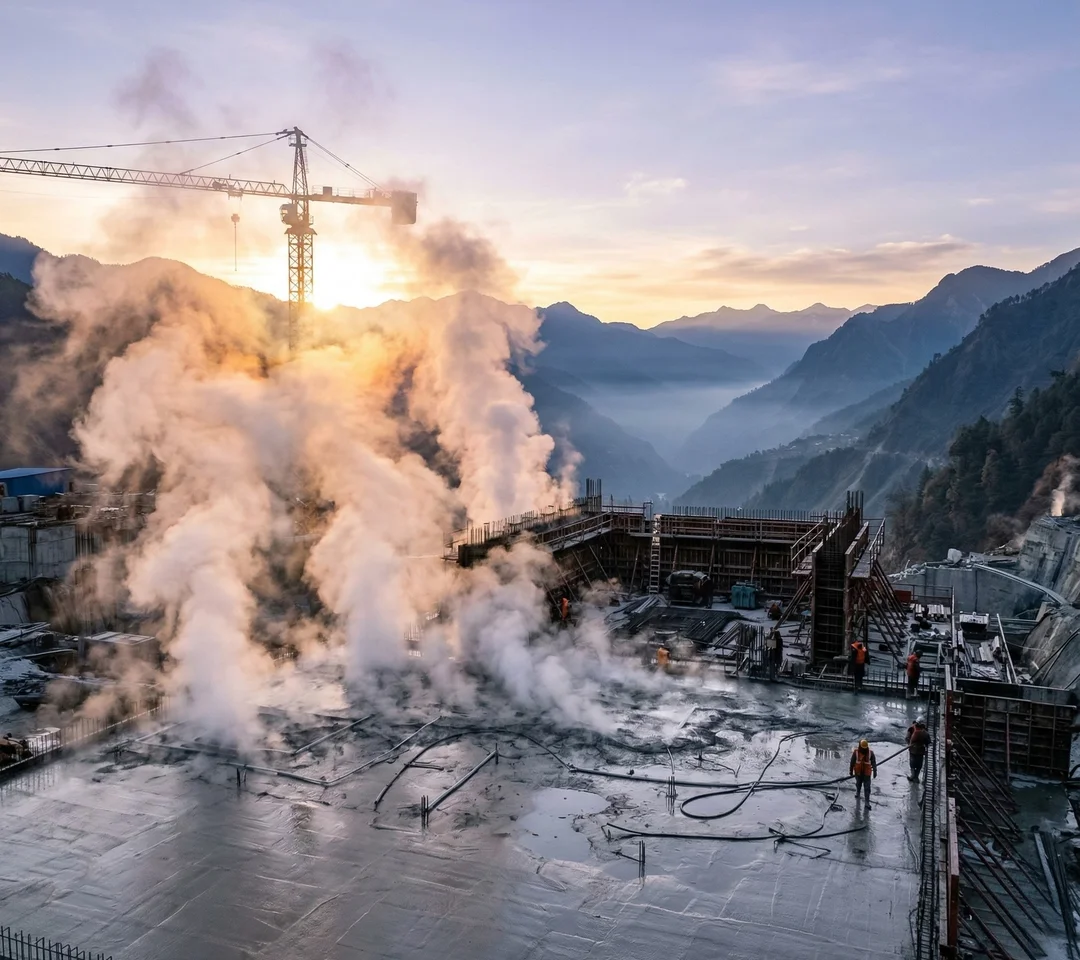
Is your mass concrete generating more heat than your cooling system can handle?
Explore Thermal Control
Are you over-specifying cement and paying for the risk you're creating?
Explore Mix Design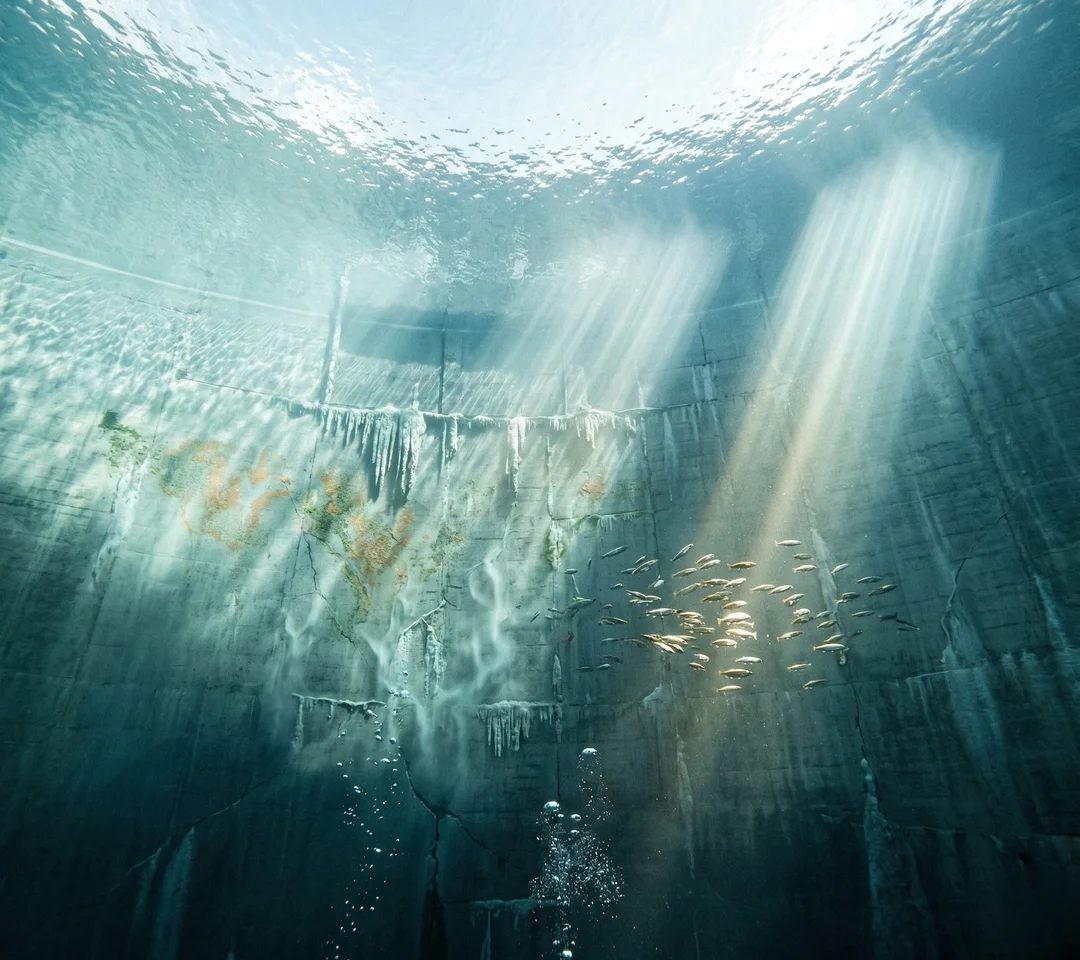
Will your structure last 100 years, or 30?
Explore Durability
Can you guarantee consistency across thousands of pours?
Explore QA/QC
What's happening inside your dam's concrete right now?
Explore Troubleshooting
Do you have an independent eye on your concrete before problems become disputes?
Explore Independent ReviewFull lifecycle coverage
We don't disappear after the mix design. We're with you from feasibility to operations.
Most concrete consultants cover one phase. We cover the entire project lifecycle, because concrete decisions in pre-tender affect performance at commissioning.
Pre-Tender & Feasibility
- Material source investigation
- Aggregate qualification
- Technology selection
- Specifications review
- Cost optimization strategy
Construction & Placement
- Concrete mix design & trials
- Thermal control planning
- QA/QC program implementation
- On-site testing & lab programs
- Placement supervision
Commissioning & Handover
- Performance verification testing
- QC documentation & reporting
- As-built concrete records
- QC manual preparation
- Technology transfer
Operations & Asset Life
- Non-destructive testing (NDT)
- Structural integrity assessment
- Service life estimation
- Concrete repair strategies
- Life extension programs
Pre-Tender & Feasibility
- Material source investigation
- Aggregate qualification
- Technology selection
- Specifications review
- Cost optimization strategy
Construction & Placement
- Concrete mix design & trials
- Thermal control planning
- QA/QC program implementation
- On-site testing & lab programs
- Placement supervision
Commissioning & Handover
- Performance verification testing
- QC documentation & reporting
- As-built concrete records
- QC manual preparation
- Technology transfer
Operations & Asset Life
- Non-destructive testing (NDT)
- Structural integrity assessment
- Service life estimation
- Concrete repair strategies
- Life extension programs
"Most engagements begin at construction. The best ones start at pre-tender."
What we do
Six disciplines. One objective: concrete that performs for the life of the structure.
Mix Design & Performance Concrete
The right formulation for every pour.
Custom-engineered concrete mixes for gravity dams, RCC dams, tunnels, and powerhouses: from high-performance concrete to low-cement eco-friendly formulations, optimized for your specific aggregates, climate, and requirements.
ExploreThermal Control & Placement Engineering
Mass concrete without the mass of problems.
Pre-cooling, post-cooling, placement temperature limits, lift thickness optimization, and curing regimes, all engineered to keep peak concrete temperatures below cracking thresholds on every pour.
ExploreDurability & Service-Life Design
Concrete that outlasts the structure it's in.
Resistance to alkali-aggregate reaction, sulfate attack, chloride penetration, and freeze-thaw cycling, designed into the concrete from day one. We engineer for 100-year service life in the harshest environments.
ExploreQA/QC Systems & Lab Programs
Zero surprises at the test lab.
QC manual development, testing protocols, material acceptance criteria, lab setup advisory, and ongoing quality monitoring, from first trial mix to final placement. Quality systems that make non-conformance impossible.
ExploreConstruction Troubleshooting & RCA
When something goes wrong, we find out why.
Root cause analysis for thermal cracking, strength shortfalls, honeycombing, segregation, and placement defects. Rapid diagnosis, practical repair recommendations, minimal schedule impact.
ExploreIndependent Review & Owner's Engineer
Your eyes on the concrete program.
Third-party quality oversight for dam owners, developers, and lenders. Independent assessment of contractor mix designs, QC programs, and construction practices. When the stakes are measured in billions, independent verification is essential.
ExploreOur track record
Trusted on Asia's most demanding hydropower projects.
4,000+ MW of hydroelectric capacity supported across South Asia. Concrete designed, tested, and placed to perform for generations.
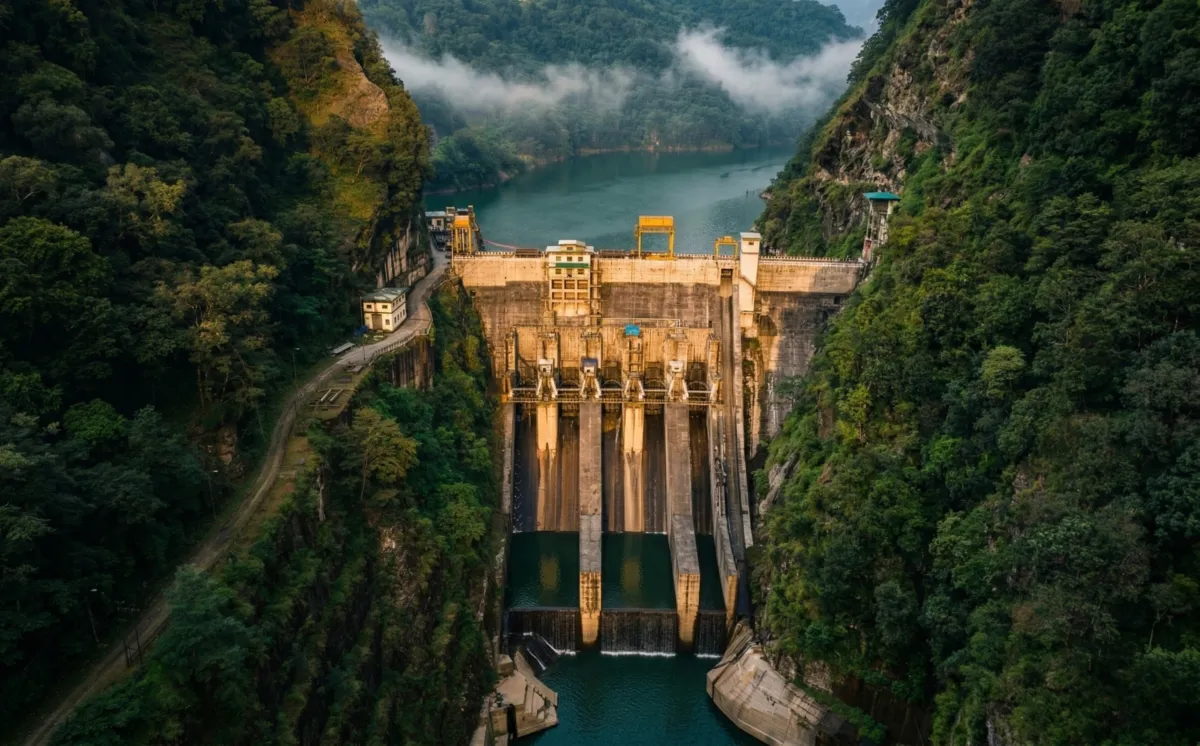 Gravity Dam
 1,020 MW
Bhutan
Druk Green Power Corporation (DGPC)
Tala Hydroelectric Project
Optimized cement content in mass concrete to enhance performance, durability, and economy across the entire dam structure. Supervised quality control and instrumentation of the concrete dam on one of Bhutan's most prestigious hydroelectric projects.
Read Case Study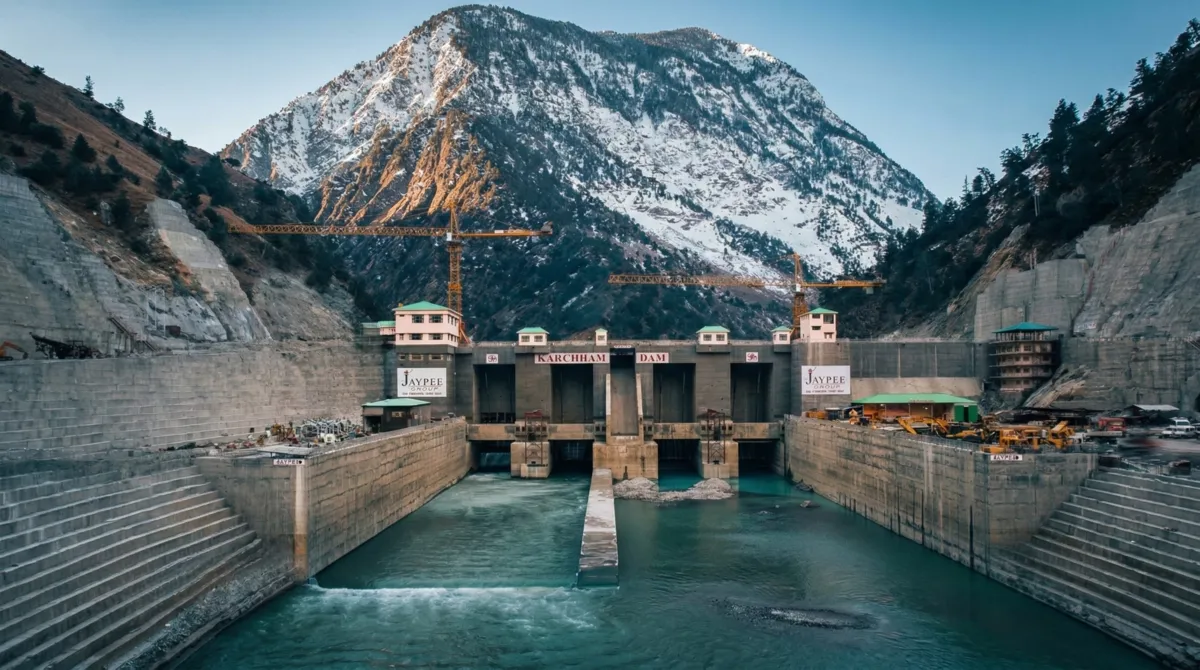 Run-of-River
 1,000 MW
Himachal Pradesh, India
Jaiprakash Power Ventures Ltd.
Karchham Wangtoo Hydroelectric Project
Cost-effective, high-performing mix designs for structural concrete, shotcrete, and grout, with integrated quality control ensuring long-term durability.
Read Case Study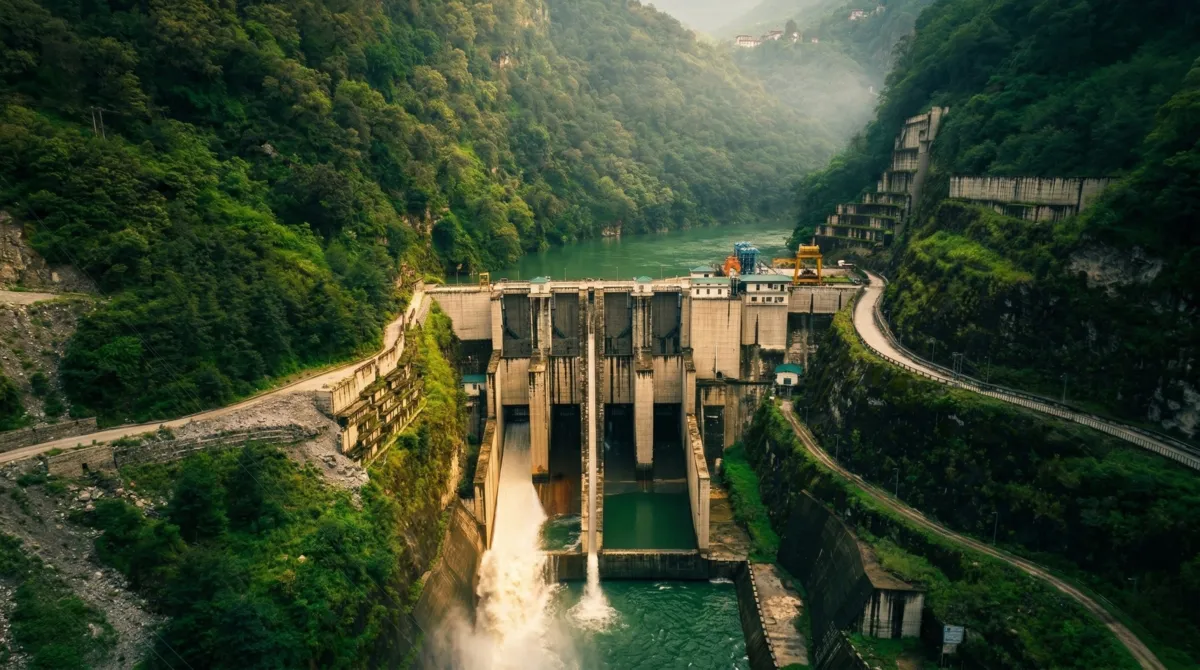 Run-of-River
 720 MW
Bhutan
MHPA / Druk Green Power Corporation
Mangdechhu Hydroelectric Project
Managed quality control from inception to commissioning, introducing innovative concrete technology solutions for durability and sustainability on this ICE Brunel Medal–winning project.
Read Case StudyFrom the field
Concrete intelligence, not opinions. Lessons from inside dam sites.
Technical insights grounded in real project experience. Written by engineers, for engineers.
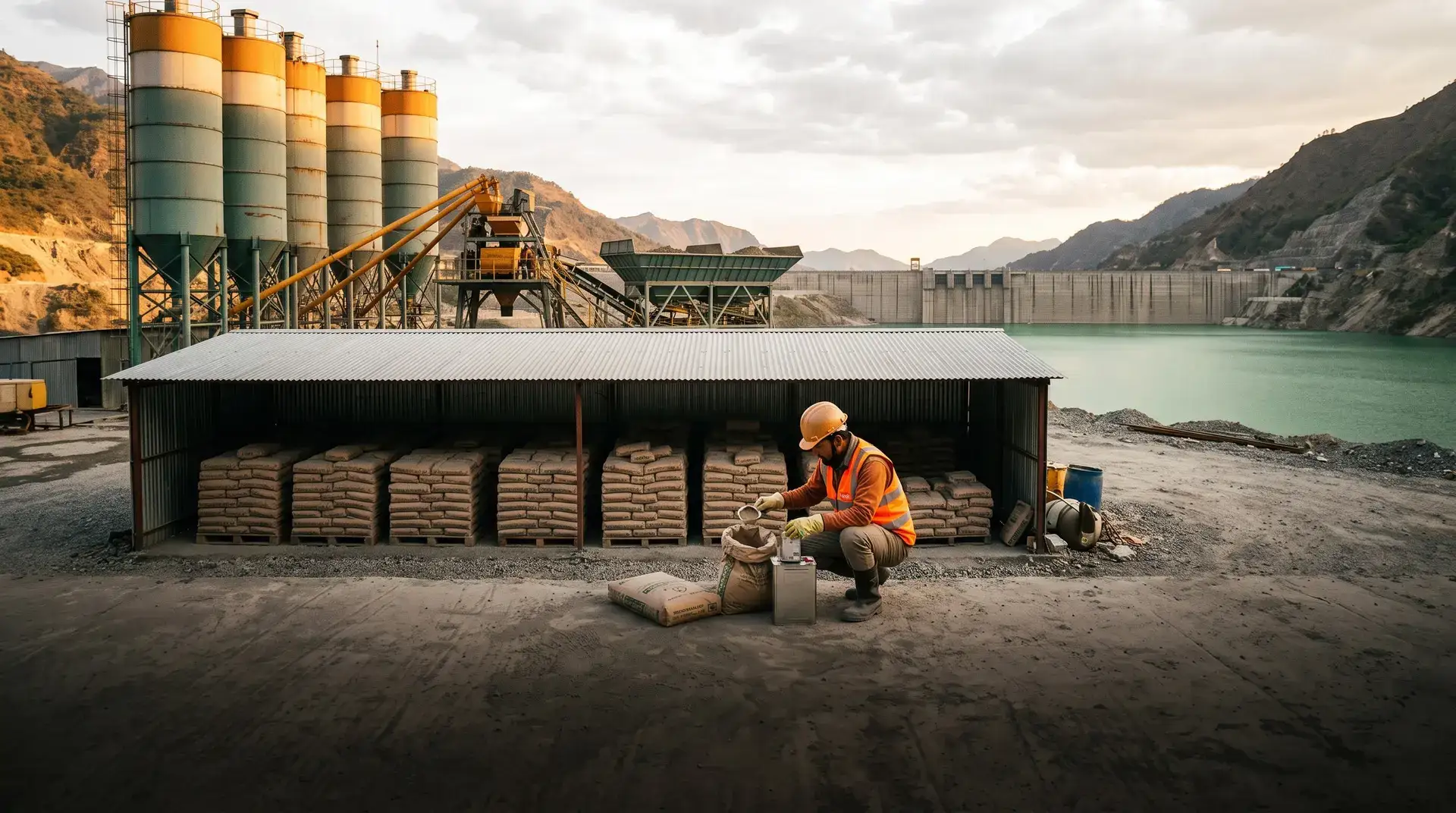
Why the Cement Bag You Receive Today Isn't the Same as Yesterday's
Talk to any senior concrete engineer who has run a long mass concrete pour in India, and the story is similar: the cement that arrived in week three was not the cement that arrived in week one. Same brand, same grade, same supplier. Different clinker source, different blending ratio, different fineness, different early strength. The strength results came in lower than expected, the heat of hydration was higher than expected, and the QC engineer spent two days investigating what had changed. Cement batch variability is a structural feature of the Indian cement industry that dam projects must plan for.
Read Article
USACE EM 1110-2-2000 (Civil Works Concrete): A Walkthrough
USACE EM 1110-2-2000 is the US Army Corps of Engineers' engineering manual for concrete for civil works structures: locks, gates, intake structures, penstocks, hydraulic structures, and conventional-vibrated mass concrete in dams. Unlike ACI 207 (a technical guide) or ICOLD Bulletin 165 (an international consensus reference), EM 1110-2-2000 is a procedural manual that walks an engineer from materials investigation through to the final concrete report. For Indian hydropower and civil works projects where international lender involvement or US-derived design specifications bring USACE references into the project stack, EM 1110-2-2000 is the practical companion that ties materials, mix design, construction, and quality verification into a single procedural document. This brief walks the manual chapter by chapter, explains the Concrete Materials Design Memorandum that anchors the USACE workflow, and shows how to integrate EM 1110-2-2000 with ACI, ASTM, ICOLD, and IS standards on Indian civil works concrete projects.
Read Article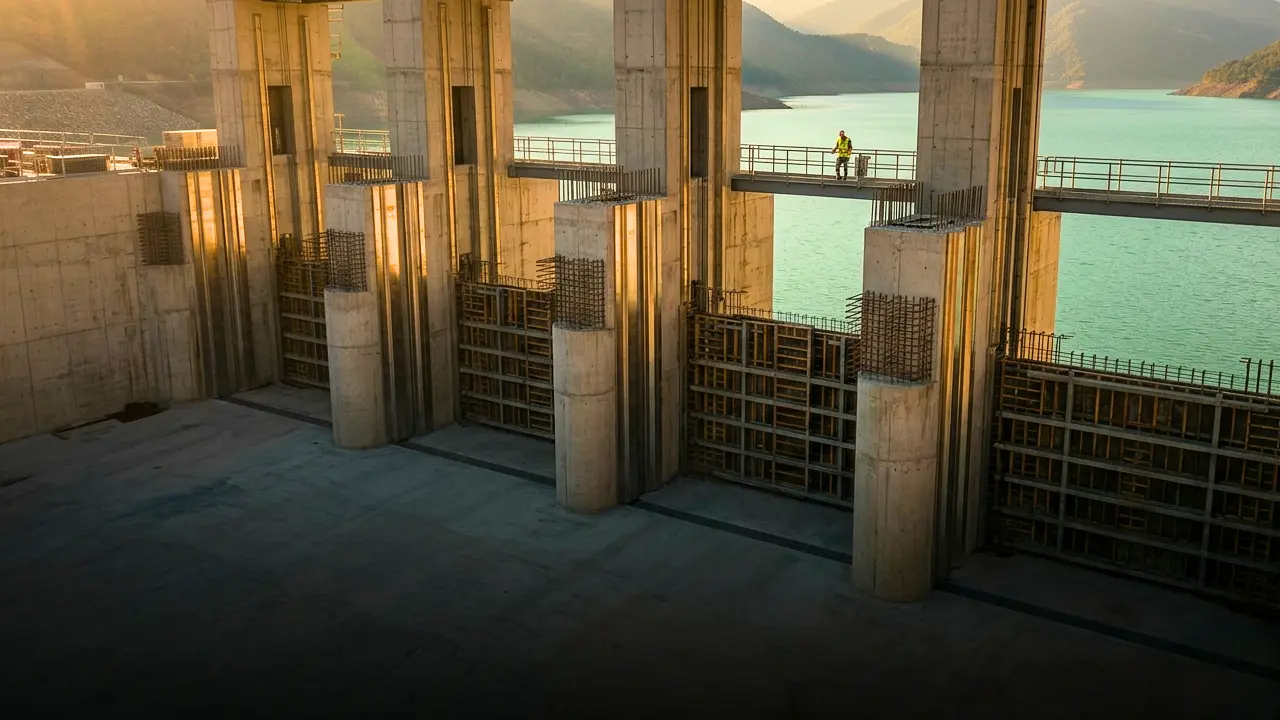
Concrete for Intake Structures and Gate Slots in Dams: Precision, Durability, and Embedded Metalwork
Intake structures and gate slots demand the tightest dimensional tolerances and the most durable concrete in any dam project. A gate slot that is 5 mm out of alignment will not seat properly. An intake surface that erodes under high-velocity flow will create turbulence in the penstock. This guide covers the concrete technology requirements for these precision components, from mix design and placement to embedded metalwork coordination and quality verification.
Read Article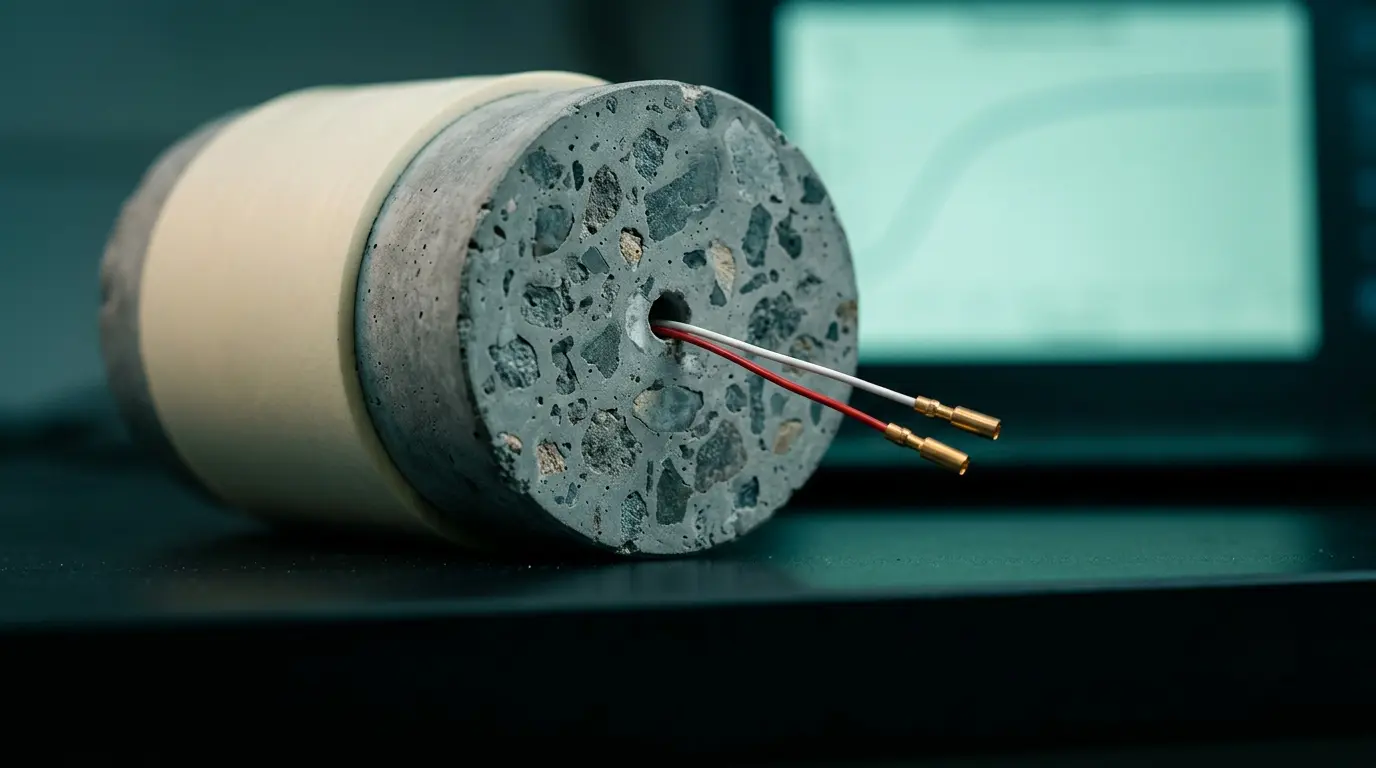
Adiabatic Temperature Rise Testing for Mass Concrete in Dams
Every serious thermal control plan for a mass concrete dam starts with one input: the adiabatic temperature rise curve. The finite element model needs it. The placement temperature ceiling depends on it. The cooling pipe spacing is derived from it. And almost no practitioner reference explains how the test itself is run. Adiabatic temperature rise testing isolates the heat-generation signature of a specific mass concrete mix from every other thermal variable. The protocol is USBR Procedure 4911 in the United States, with semi-adiabatic alternatives codified by RILEM TC 119-TCE and Indian guidance in IS 14591 and IS 4031 Part 9. This brief walks the test protocol clause by clause, sets out the parameter extraction, quantifies how supplementary cementitious materials change the curve, and shows how the result feeds the thermal control plan PCCI applies on dam concrete projects.
Read Article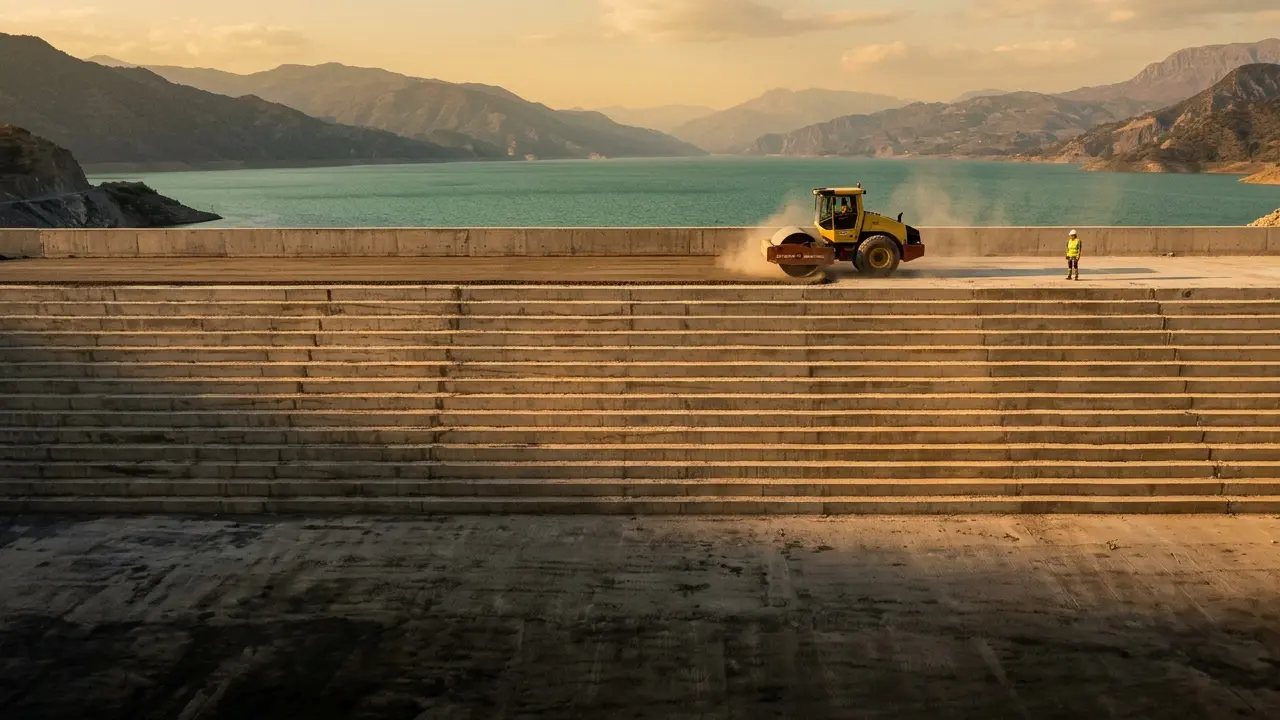
ICOLD Bulletin 177 (RCC Dams): A Practitioner's Walkthrough
ICOLD Bulletin 177 is the international consensus reference for roller-compacted concrete dams, published in 2020. It replaces Bulletin 126 (2003) and absorbs 15+ years of RCC technology evolution: high-paste vs lean-paste proportioning, GERCC and IVRCC facing, modern lift-joint treatment, super-retarded high-workability RCC, and an expanded RCC arch dams chapter driven by Chinese practice. For Indian dam engineers, Bulletin 177 fills a specific gap. IS 457 (1957) has no RCC provisions. ACI PRC-207.5-11 is US-centric. The reference that ties global RCC practice into one document is Bulletin 177, and most modern Indian RCC tenders invoke it explicitly. This brief walks the bulletin chapter by chapter, documents the delta from Bulletin 126, sets out the specification language for invoking it on Indian projects, and frames where it fits alongside ACI PRC-207.5 and IS 456 in a dual-standard concrete spec.
Read Article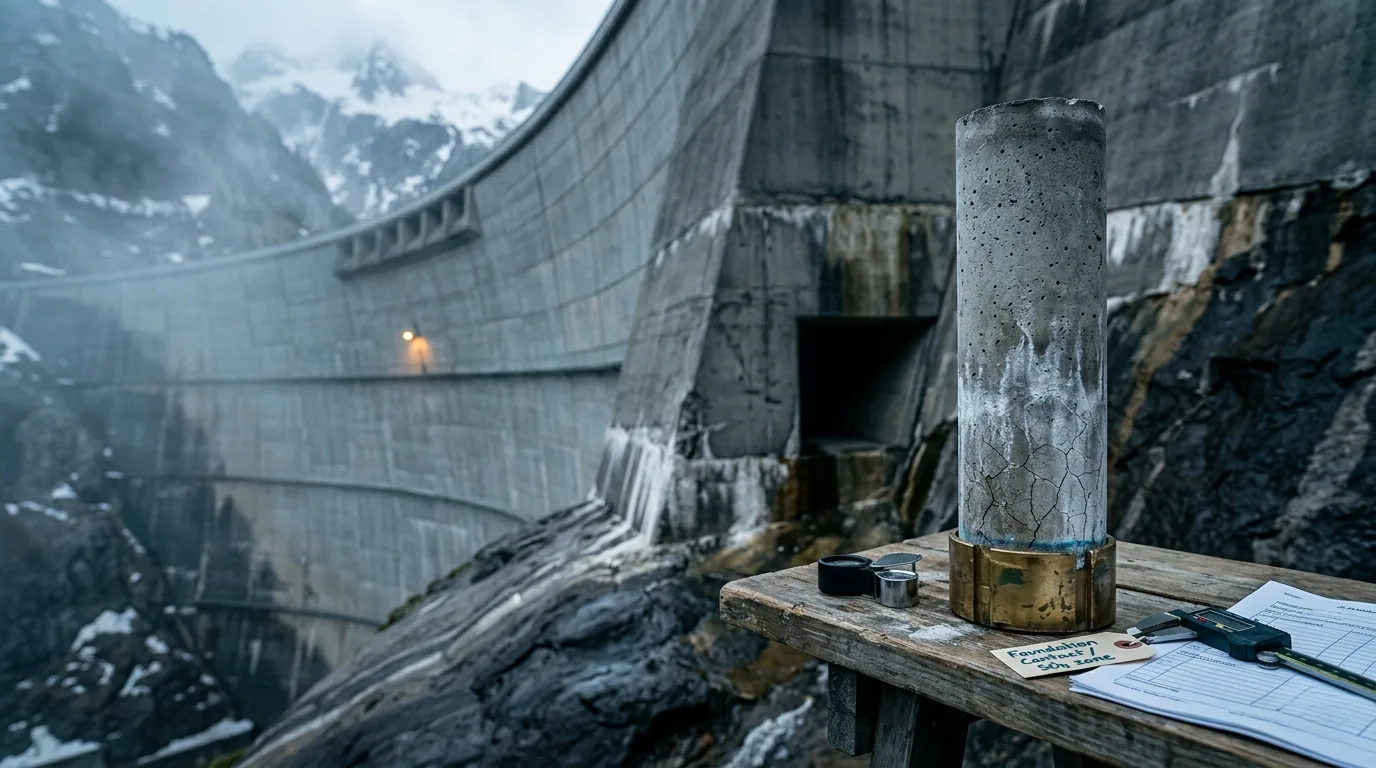
Sulfate Attack on Dam Concrete: Mechanisms, Standards, Mitigation
Sulfate attack is the durability mechanism that consumes dam concrete from the foundation contact upward, from gypsum-bearing groundwater inward, and from inside the concrete itself when early-age temperatures cross thresholds the mass concrete designer never anticipated. Four distinct mechanisms (external sulfate attack, internal sulfate attack, delayed ettringite formation, and thaumasite sulfate attack) act through different chemical pathways and demand different mitigation strategies. The C3A content of the cement matters; the w/cm matters; the SCM strategy matters; the early-age temperature ceiling matters. This brief walks the four mechanisms, the diagnostic signs, the ACI 318 and Indian-standards framework, and the mitigation strategy that PCCI applies on dam projects with documented or suspected sulfate exposure.
Read Article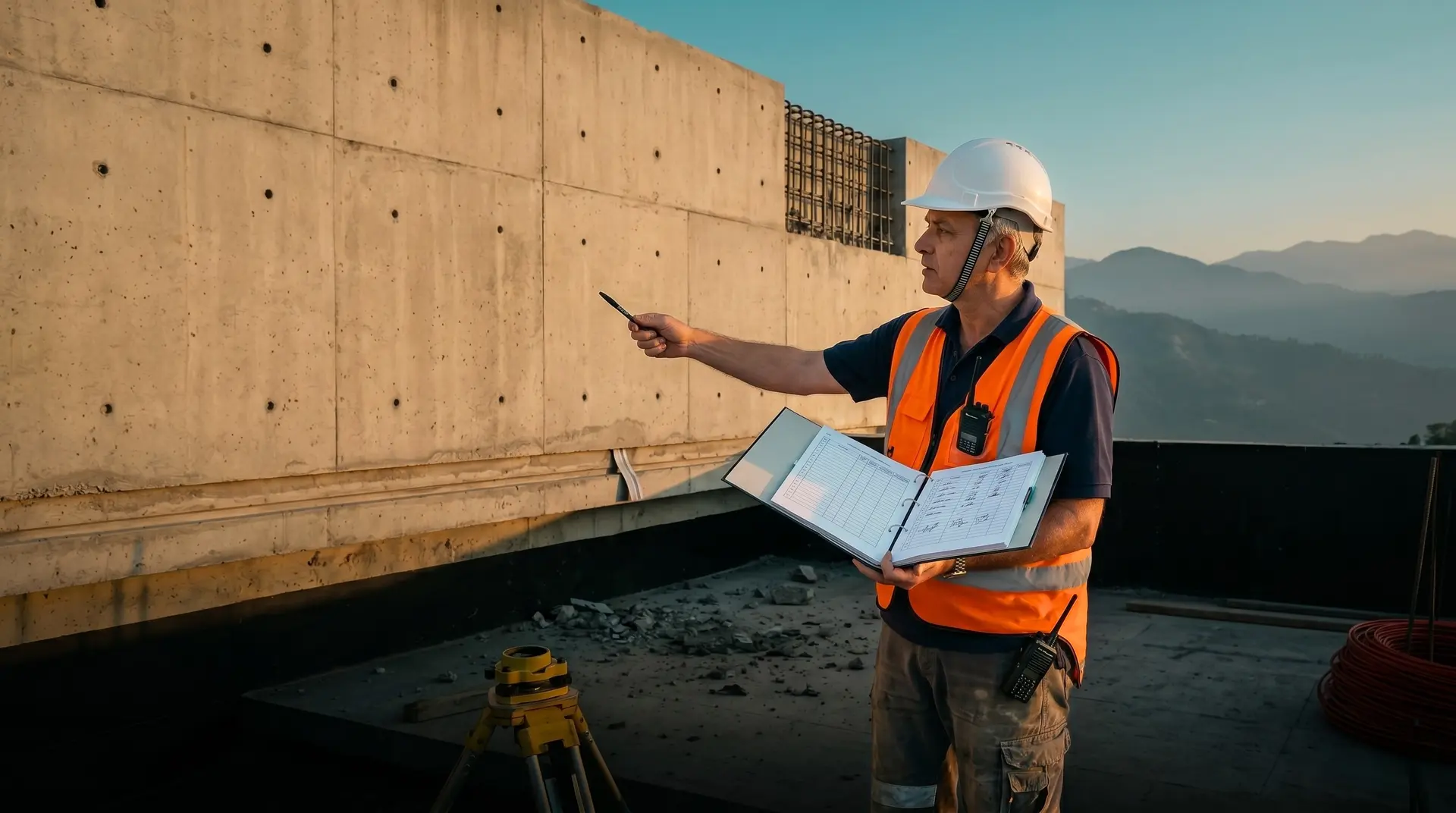
Hold and Witness Points for Dam Concrete: An 18-Point Reference for QA/QC
Hold and Witness points are where a paper QA/QC plan becomes an enforceable construction-phase mechanism. They are also the single largest source of disputes between Contractor and Owner's Engineer on hydropower dam projects. The register is not a long list. Eighteen points cover every gate a dam-concrete pour cycle realistically needs, from aggregate source acceptance through post-pour acceptance/repair/reject disposition. Anything less leaves the Engineer without enforcement leverage; anything more produces friction without protection. This brief sets out the 18-point reference register, classified to FIDIC and ISO 9001:2015 frameworks, with the verification basis, evidence required, common failure mode, and PCCI-recommended practice for each gate.
Read Article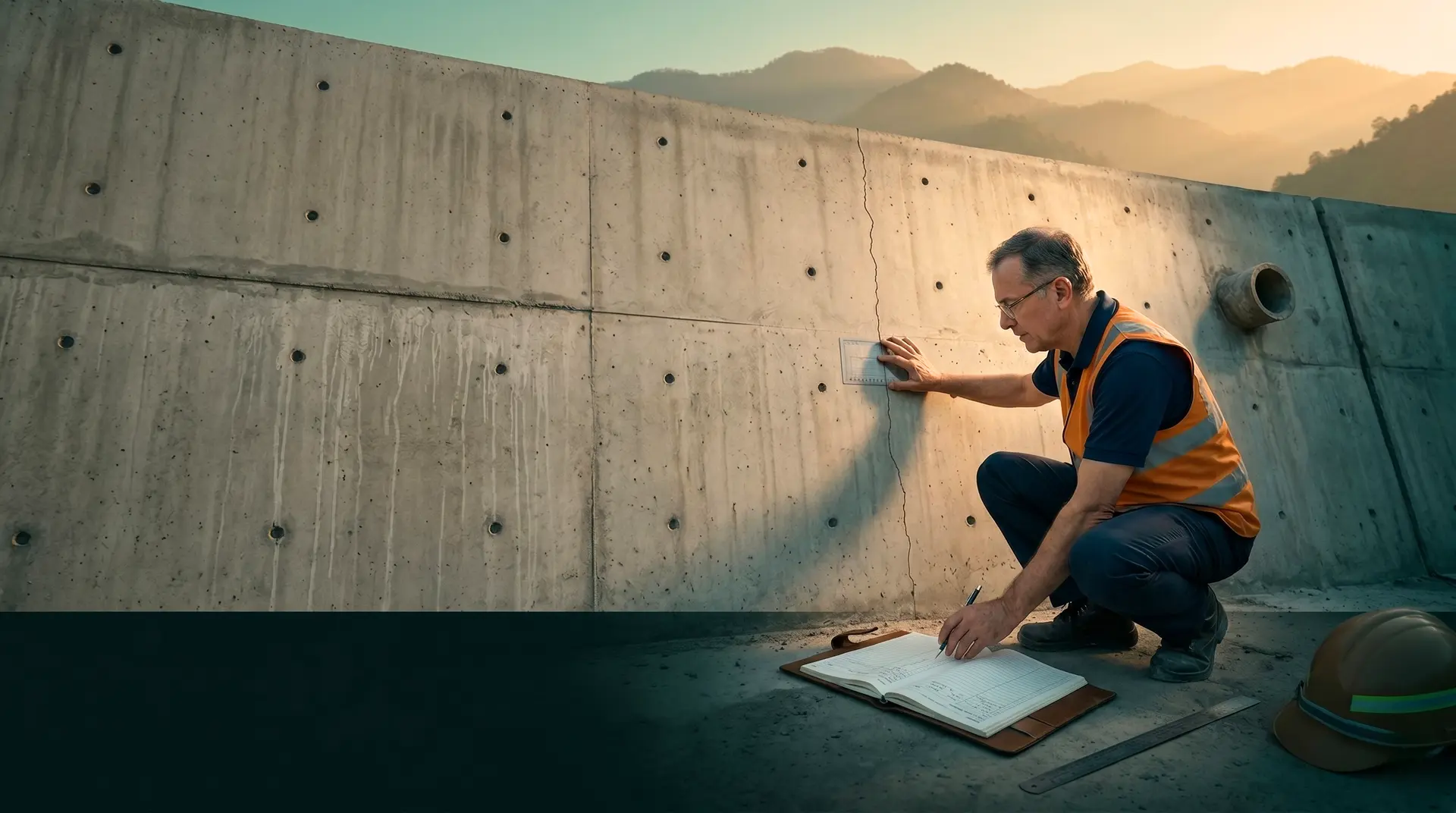
Diagnosing Concrete Cracking on a Dam Construction Site: A Field Workflow for Owner's Engineers
Every concrete dam programme produces cracks. Some are predicted by the design. Some are tolerated by the specification. Some are warnings that something is wrong. The owner's engineer's job is not to be surprised by the existence of cracks. The job is to distinguish, fast, between cracks that the structure will live with for 100 years and cracks that the structure will fail because of. This is the field workflow used to make that distinction. It runs in five steps: observe, classify, diagnose, assess severity, decide response. It takes 60 to 90 minutes for a typical crack pattern on a dam site. The decision it produces guides the next 20 to 50 years of the structure's life. The workflow is not a substitute for engineering judgment. It is a discipline that ensures the judgment is applied to the right evidence in the right order. Skipping a step is how owner's engineers miss what they were brought on site to catch.
Read ArticleWhy we exist
Four commitments that shape every project we touch.
We didn't start PCCI to build a consulting business. We started it because the concrete in critical infrastructure deserves better than it usually gets.
Performance & Quality
"We prevent failures."
Every structure we advise on is engineered for its full design life: 50, 75, or 100 years. We don't test concrete to confirm compliance after the fact. We design quality systems that make non-conformance structurally impossible from the start.
Durability = Sustainability
"The greenest concrete is the one you don't have to repair."
The largest carbon cost in concrete infrastructure comes from premature failure: demolition, disposal, rebuilding. Durable concrete is sustainable concrete. That's our starting point.
Low-Carbon Concrete
"Same performance. Less clinker. Lower CO₂."
Through optimized cement content, supplementary cementitious materials, and precision mix engineering, we reduce embodied carbon in every cubic meter, without compromising strength, durability, or workability.
Clean Energy Enablement
"Reliable hydropower needs reliable concrete."
Hydroelectric power is the backbone of the clean energy transition, providing baseload and storage that wind and solar cannot. The dams that make it possible are built from concrete. Ensuring that concrete performs for generations is our contribution to a low-carbon future.
Newsletter
Concrete Pulse
Stay ahead on concrete technology. Subscribe to our weekly newsletter. Field-tested insights on mass concrete, dam engineering, and QA/QC, delivered straight to your inbox.
Free. No spam. Unsubscribe anytime.
Talk to a concrete specialist within 24 hours.
Whether you're at pre-tender feasibility or mid-construction troubleshooting. Whether your project is in India, Bhutan, Nepal, or beyond.