
How We Work With You
Seven ways to work with PCCI.
From full-time site presence to one-time assessments, choose the engagement model that fits your project. Every model delivers the same depth of concrete technology expertise, adapted to your team, timeline, and technical needs.
At a glance
Compare engagement models
| Embedded Site Consultant | End-to-End QC Outsourcing | Project-Based Advisory | Independent Technical Review | Retainer: On-Call Specialist | Pre-Tender Support and Trial Mix Programs | Assessment and NDT Services | |
|---|---|---|---|---|---|---|---|
| Typical duration | 6 to 24 months | 12 to 36 months | 4 to 12 weeks | 2 to 8 weeks | Annual, renewable | 4 weeks to 8 months | 1 to 8 weeks |
| Commitment | Full-time | Full QC ownership | Defined scope | Review-based | On-call | Feasibility to pre-construction | Assessment-based |
| Project scale | 100+ MW projects | 50+ MW projects | All project sizes | All project sizes | Multiple projects | All project sizes | Existing structures |
Embedded Site Consultant
End-to-End QC Outsourcing
Project-Based Advisory
Independent Technical Review
Retainer: On-Call Specialist
Pre-Tender Support and Trial Mix Programs
Assessment and NDT Services
Model 1 of 7
Embedded Site Consultant
Your concrete specialist on the ground, every day.
A dedicated PCCI specialist is embedded within your project team for the duration of construction. They attend every critical pour, review every batch plant report, and resolve quality issues in real time. Not a visiting inspector. A permanent member of your site team.
Duration
6 to 24 months
Commitment
Full-time
Scale
100+ MW projects
What's included
- Full-time on-site presence during construction phase
- Daily batch plant and placement quality oversight
- Real-time thermal monitoring and response
- Weekly progress reports and quality dashboards
- Direct coordination with EPC contractors and lab teams
How it starts
We begin with a 3 to 5 day site assessment to understand your project scope, construction schedule, and concrete placement plan. This assessment shapes the terms of reference for the embedded role.
Best for
Dam project directors managing large hydroelectric projects where concrete quality directly impacts structural safety and project timeline.
Model 2 of 7
End-to-End QC Outsourcing
We own your concrete quality function. Completely.
PCCI takes complete ownership of the concrete quality control function on your project. From lab setup and staffing to testing, reporting, and non-conformance management. Your EPC team focuses on construction; we handle every aspect of concrete quality.
Duration
12 to 36 months
Commitment
Full QC ownership
Scale
50+ MW projects
What's included
- Site laboratory setup, equipping, and commissioning
- Recruitment, training, and management of QC technicians
- All material testing: cement, aggregates, water, admixtures, SCMs
- Fresh and hardened concrete testing per IS/ACI/ASTM standards
- Daily QC dashboards, NCR management, and corrective action tracking
How it starts
We audit your current QC setup (or design one from scratch), define the testing program per project specifications, and mobilise within 4 to 6 weeks. Lab commissioning and staff onboarding run in parallel.
Best for
Mid-tier EPC contractors without in-house concrete QC expertise, or project owners who want independent quality assurance separated from the construction contractor.
Model 3 of 7
Project-Based Advisory
Focused expertise for specific technical challenges.
A scoped engagement targeting a specific technical need: mix design development, thermal control planning, durability assessment, or QA/QC system setup. Clear deliverables, defined timeline, fixed scope.
Duration
4 to 12 weeks
Commitment
Defined scope
Scale
All project sizes
What's included
- Detailed technical brief and scope of work
- Mix design development with trial mix supervision
- Thermal analysis and placement temperature planning
- Durability assessment and service-life modelling
- Final technical report with actionable recommendations
How it starts
Share your project specifications, drawings, and material test reports. We review them and propose a scope of work with deliverables, timeline, and technical approach within 5 working days.
Best for
EPC contractors preparing for construction or project owners needing independent technical input on specific concrete decisions.
Model 4 of 7
Independent Technical Review
Unbiased assessment. No conflicts of interest.
Third-party evaluation of concrete technology decisions, contractor quality performance, or existing structure condition. We serve the owner or lender, not the contractor. Our assessment is independent, technically rigorous, and defensible.
Duration
2 to 8 weeks
Commitment
Review-based
Scale
All project sizes
What's included
- Review of concrete specifications and mix design submittals
- Assessment of contractor QA/QC systems and lab practices
- Site visit with visual inspection and targeted testing
- Evaluation of thermal control adequacy and durability provisions
- Independent technical opinion report for decision-makers
How it starts
Provide the project documentation package: specifications, mix designs, QC records, and any areas of concern. We conduct a desktop review followed by a focused site visit.
Best for
Project owners, multilateral development banks (World Bank, ADB), dam safety authorities, and lender technical advisors.
Model 5 of 7
Retainer: On-Call Specialist
Expert access whenever you need it.
Ongoing access to PCCI concrete expertise on a retainer basis. When a test result looks wrong, a specification needs reviewing, or a site issue needs rapid diagnosis, you have a specialist a phone call away.
Duration
Annual, renewable
Commitment
On-call
Scale
Multiple projects
What's included
- Priority response to technical queries (within 24 hours)
- Test result interpretation and troubleshooting guidance
- Specification and mix design review on demand
- Quarterly technical briefing on standards and industry developments
- Preferential rates for any project-based engagement
How it starts
We discuss your typical project portfolio and technical needs. The retainer is structured around anticipated advisory hours per quarter, with flexibility to scale up during active construction phases.
Best for
EPC organizations, PSU engineering divisions, and dam safety teams managing multiple concurrent projects across regions.
Model 6 of 7
Pre-Tender Support and Trial Mix Programs
De-risk concrete decisions before construction begins.
From initial material investigation through complete RCC or CVC trial mix programs, PCCI manages every aspect of pre-tender concrete preparation. We design the test program, coordinate with accredited partner laboratories, supervise testing, interpret results, and deliver comprehensive technical reports that form the basis for tender documents.
Duration
4 weeks to 8 months
Commitment
Feasibility to pre-construction
Scale
All project sizes
What's included
- Aggregate source investigation and suitability assessment (including AAR screening)
- Full trial mix program management: design, testing, and optimization of multiple mixes
- RCC-specific capabilities: VeBe time optimization, moisture sensitivity analysis, paste content exploration
- Strength evaluation at 7, 14, 28, 90, and 180 days with interim reporting at each milestone
- Cement, fly ash, and SCM quality evaluation and supply chain assessment
- Comprehensive technical report with statistical analysis and defensible mix recommendations
- Testing to both ASTM and IS/BIS standards with full transparency on the testing basis
How it starts
Share the project DPR, tender documents, or Letter of Invitation. We review the concrete requirements, propose a detailed test plan, select the appropriate partner laboratory, and mobilise within 2 to 3 weeks of contract effectiveness.
Best for
Project owners and consultants defining RCC/CVC parameters for tender documents, EPC contractors preparing competitive bids, and multilateral development banks requiring independent mix design validation.
Model 7 of 7
Assessment and NDT Services
Know the true condition of your concrete.
Concrete integrity assessment for existing dams and structures using non-destructive testing, core extraction, and forensic analysis. PCCI can execute NDT directly, supervise third-party testing, or provide post-construction condition assessment and rehabilitation planning.
Duration
1 to 8 weeks
Commitment
Assessment-based
Scale
Existing structures
What's included
- Direct NDT execution: UPV (IS 13311 Part 1), rebound hammer (IS 13311 Part 2), GPR, impact echo
- Core extraction, petrographic examination, and laboratory analysis
- NDT program design and third-party testing supervision
- Structural condition assessment and distress diagnosis (AAR, sulfate attack, carbonation)
- Rehabilitation strategy and repair material specification
How it starts
Share the structure details: age, type, observed distress symptoms, and any previous inspection reports. We propose an assessment scope covering visual inspection, in-situ testing, and laboratory analysis.
Best for
Dam owners conducting safety reviews under the Dam Safety Act 2021, DRIP rehabilitation projects, and asset managers assessing aging infrastructure.
Still deciding?
Not every project fits neatly into one model.
Some engagements start as a pre-tender review and evolve into embedded site consulting. Others combine independent review with project-based advisory. We build the model around your project, not the other way around.
Book a Technical CallFrom the field
Concrete intelligence, not opinions. Lessons from inside dam sites.
Technical insights grounded in real project experience. Written by engineers, for engineers.
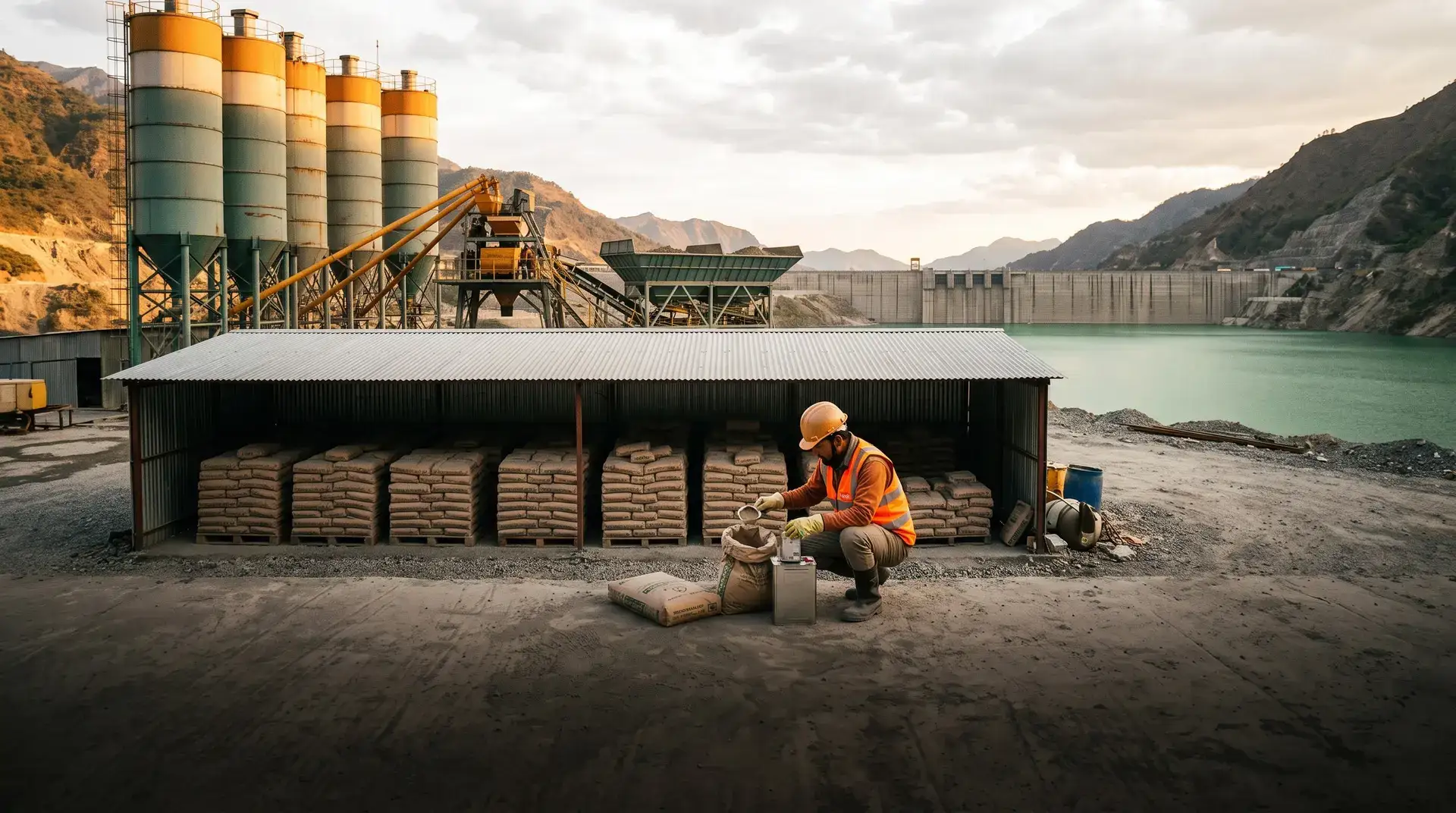
Why the Cement Bag You Receive Today Isn't the Same as Yesterday's
Talk to any senior concrete engineer who has run a long mass concrete pour in India, and the story is similar: the cement that arrived in week three was not the cement that arrived in week one. Same brand, same grade, same supplier. Different clinker source, different blending ratio, different fineness, different early strength. The strength results came in lower than expected, the heat of hydration was higher than expected, and the QC engineer spent two days investigating what had changed. Cement batch variability is a structural feature of the Indian cement industry that dam projects must plan for.
Read Article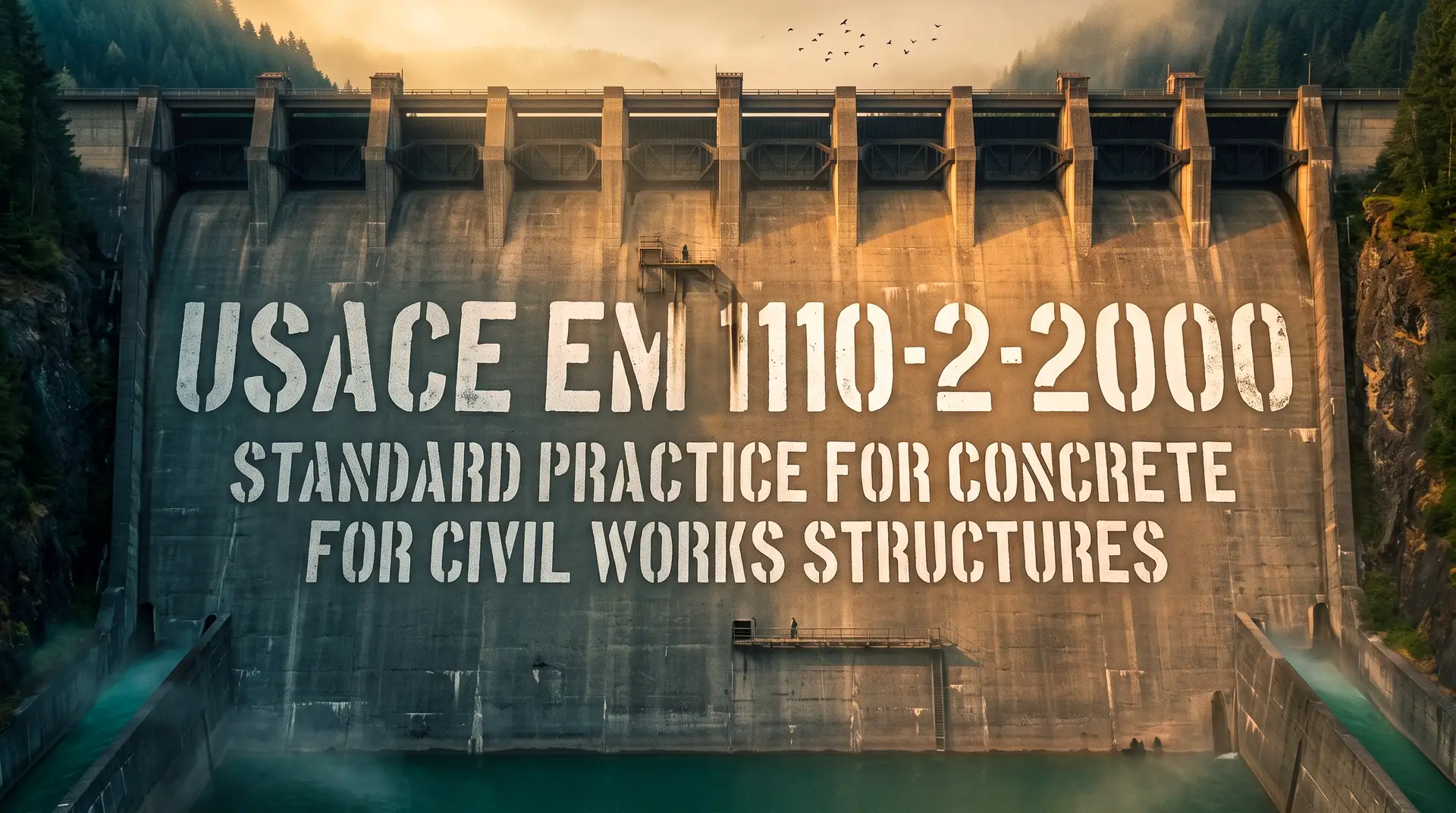
USACE EM 1110-2-2000 (Civil Works Concrete): A Walkthrough
USACE EM 1110-2-2000 is the US Army Corps of Engineers' engineering manual for concrete for civil works structures: locks, gates, intake structures, penstocks, hydraulic structures, and conventional-vibrated mass concrete in dams. Unlike ACI 207 (a technical guide) or ICOLD Bulletin 165 (an international consensus reference), EM 1110-2-2000 is a procedural manual that walks an engineer from materials investigation through to the final concrete report. For Indian hydropower and civil works projects where international lender involvement or US-derived design specifications bring USACE references into the project stack, EM 1110-2-2000 is the practical companion that ties materials, mix design, construction, and quality verification into a single procedural document. This brief walks the manual chapter by chapter, explains the Concrete Materials Design Memorandum that anchors the USACE workflow, and shows how to integrate EM 1110-2-2000 with ACI, ASTM, ICOLD, and IS standards on Indian civil works concrete projects.
Read Article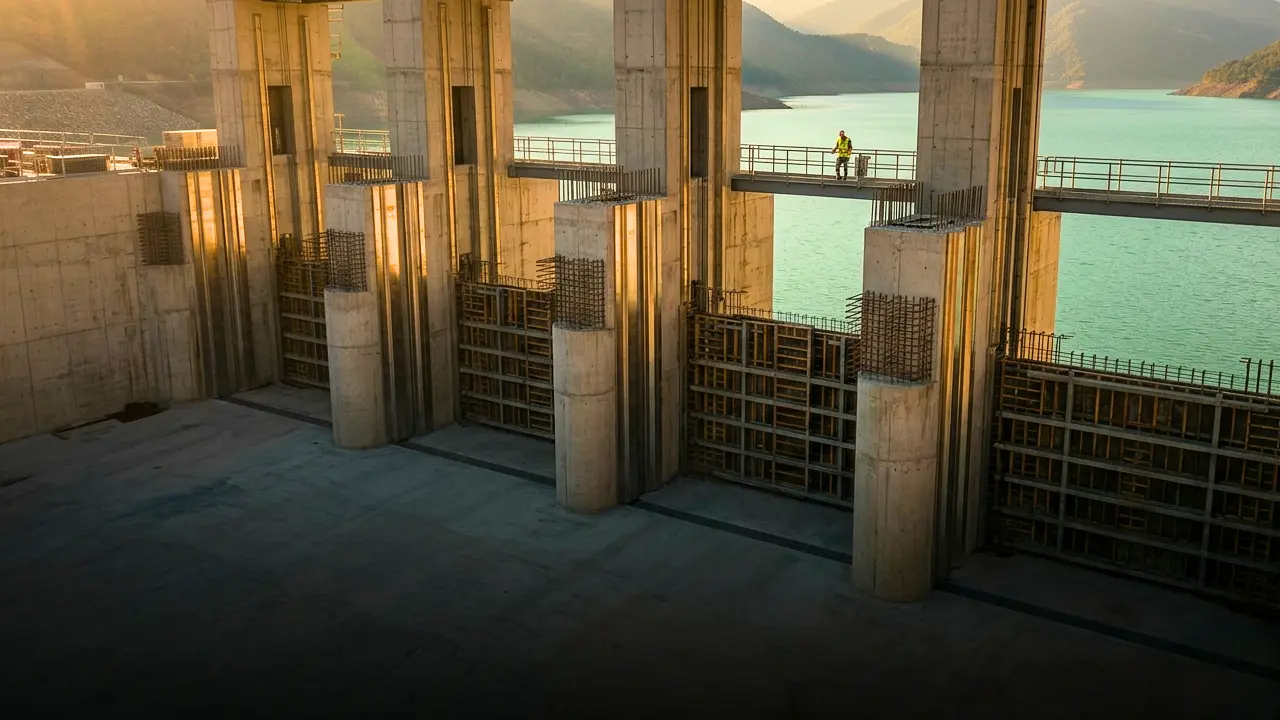
Concrete for Intake Structures and Gate Slots in Dams: Precision, Durability, and Embedded Metalwork
Intake structures and gate slots demand the tightest dimensional tolerances and the most durable concrete in any dam project. A gate slot that is 5 mm out of alignment will not seat properly. An intake surface that erodes under high-velocity flow will create turbulence in the penstock. This guide covers the concrete technology requirements for these precision components, from mix design and placement to embedded metalwork coordination and quality verification.
Read Article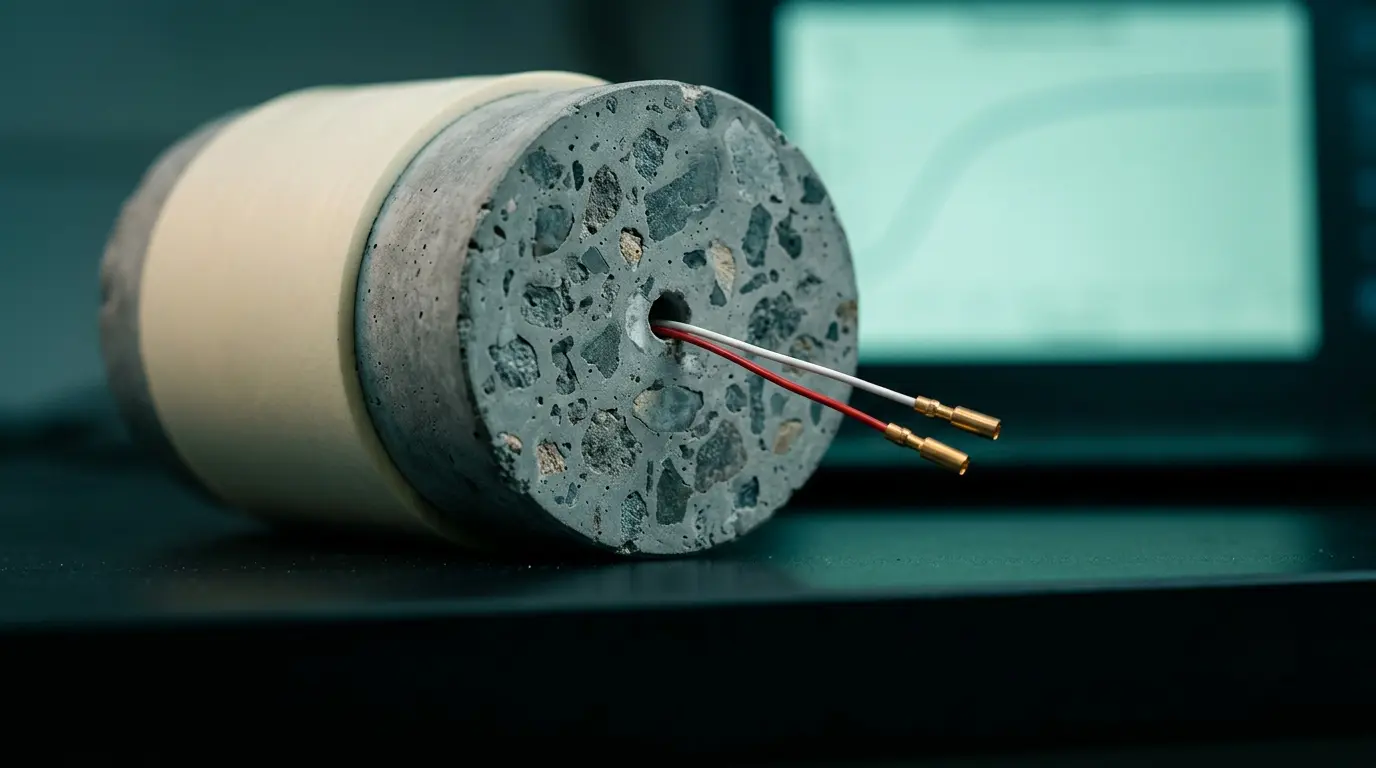
Adiabatic Temperature Rise Testing for Mass Concrete in Dams
Every serious thermal control plan for a mass concrete dam starts with one input: the adiabatic temperature rise curve. The finite element model needs it. The placement temperature ceiling depends on it. The cooling pipe spacing is derived from it. And almost no practitioner reference explains how the test itself is run. Adiabatic temperature rise testing isolates the heat-generation signature of a specific mass concrete mix from every other thermal variable. The protocol is USBR Procedure 4911 in the United States, with semi-adiabatic alternatives codified by RILEM TC 119-TCE and Indian guidance in IS 14591 and IS 4031 Part 9. This brief walks the test protocol clause by clause, sets out the parameter extraction, quantifies how supplementary cementitious materials change the curve, and shows how the result feeds the thermal control plan PCCI applies on dam concrete projects.
Read Article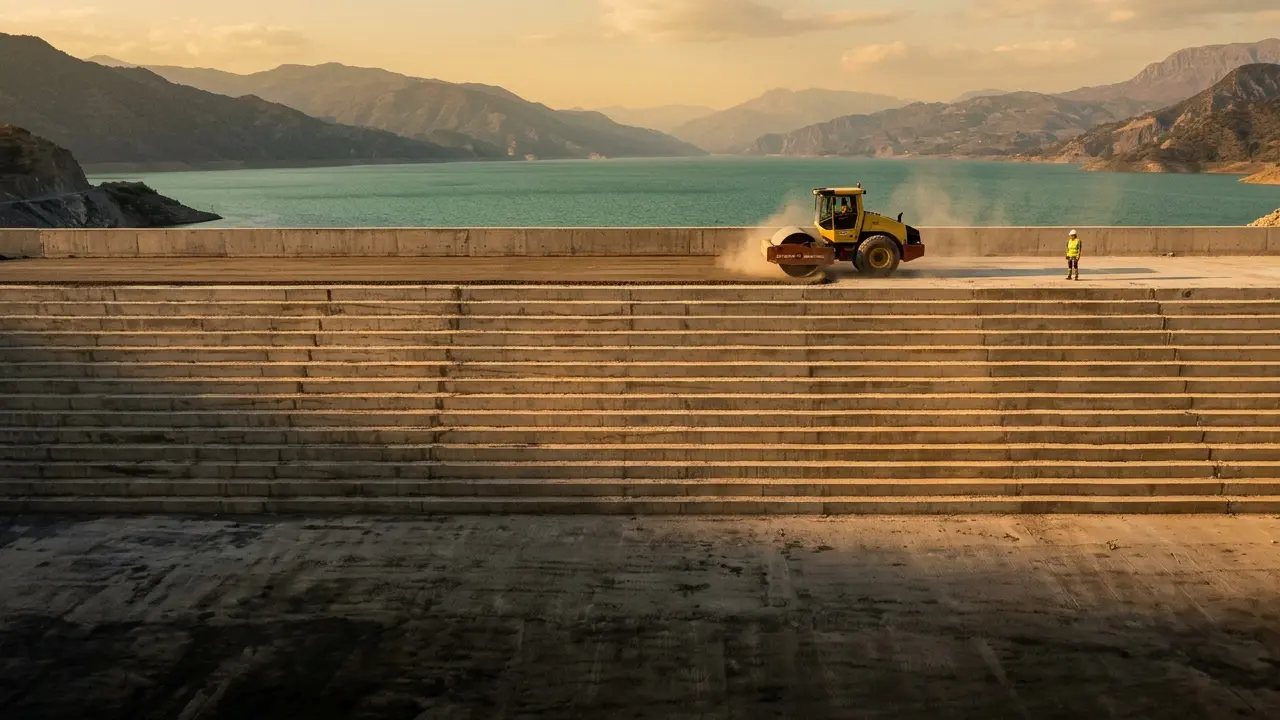
ICOLD Bulletin 177 (RCC Dams): A Practitioner's Walkthrough
ICOLD Bulletin 177 is the international consensus reference for roller-compacted concrete dams, published in 2020. It replaces Bulletin 126 (2003) and absorbs 15+ years of RCC technology evolution: high-paste vs lean-paste proportioning, GERCC and IVRCC facing, modern lift-joint treatment, super-retarded high-workability RCC, and an expanded RCC arch dams chapter driven by Chinese practice. For Indian dam engineers, Bulletin 177 fills a specific gap. IS 457 (1957) has no RCC provisions. ACI PRC-207.5-11 is US-centric. The reference that ties global RCC practice into one document is Bulletin 177, and most modern Indian RCC tenders invoke it explicitly. This brief walks the bulletin chapter by chapter, documents the delta from Bulletin 126, sets out the specification language for invoking it on Indian projects, and frames where it fits alongside ACI PRC-207.5 and IS 456 in a dual-standard concrete spec.
Read Article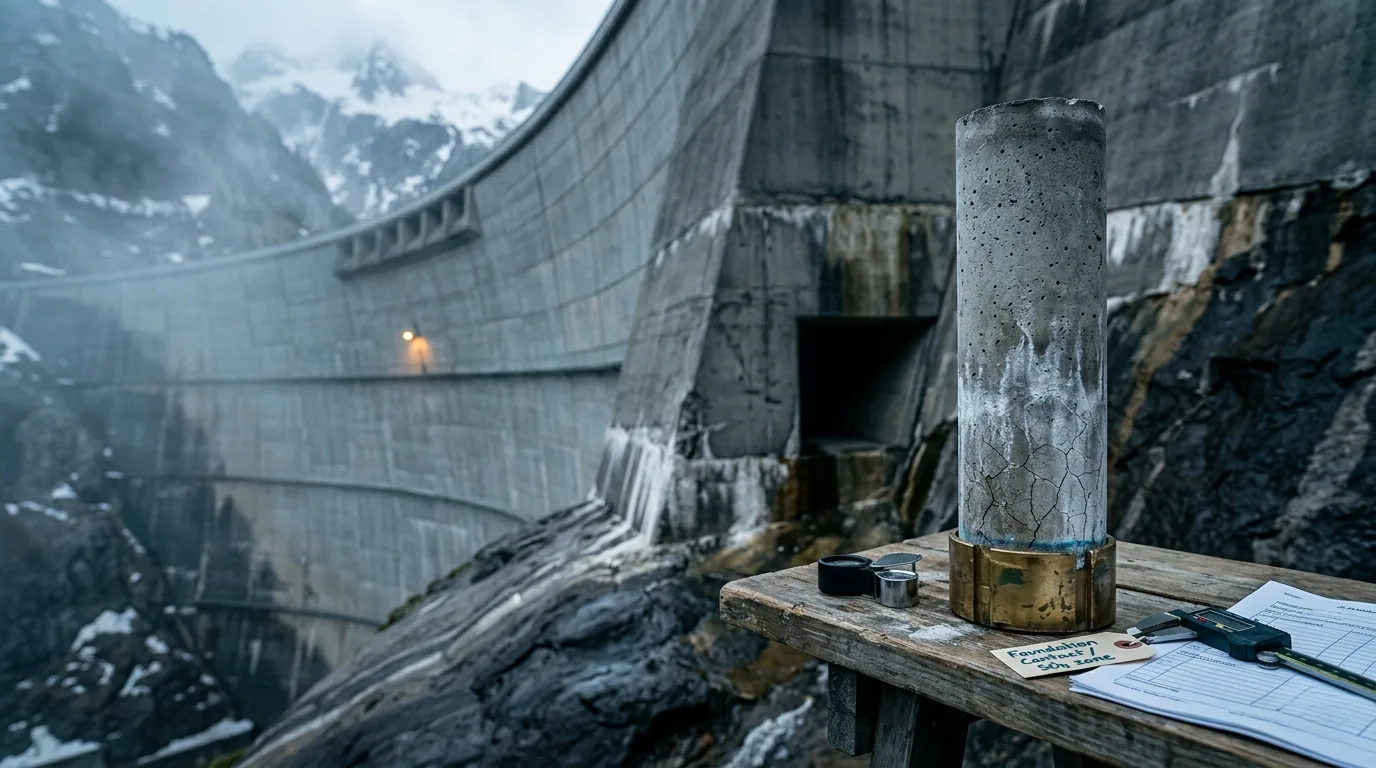
Sulfate Attack on Dam Concrete: Mechanisms, Standards, Mitigation
Sulfate attack is the durability mechanism that consumes dam concrete from the foundation contact upward, from gypsum-bearing groundwater inward, and from inside the concrete itself when early-age temperatures cross thresholds the mass concrete designer never anticipated. Four distinct mechanisms (external sulfate attack, internal sulfate attack, delayed ettringite formation, and thaumasite sulfate attack) act through different chemical pathways and demand different mitigation strategies. The C3A content of the cement matters; the w/cm matters; the SCM strategy matters; the early-age temperature ceiling matters. This brief walks the four mechanisms, the diagnostic signs, the ACI 318 and Indian-standards framework, and the mitigation strategy that PCCI applies on dam projects with documented or suspected sulfate exposure.
Read Article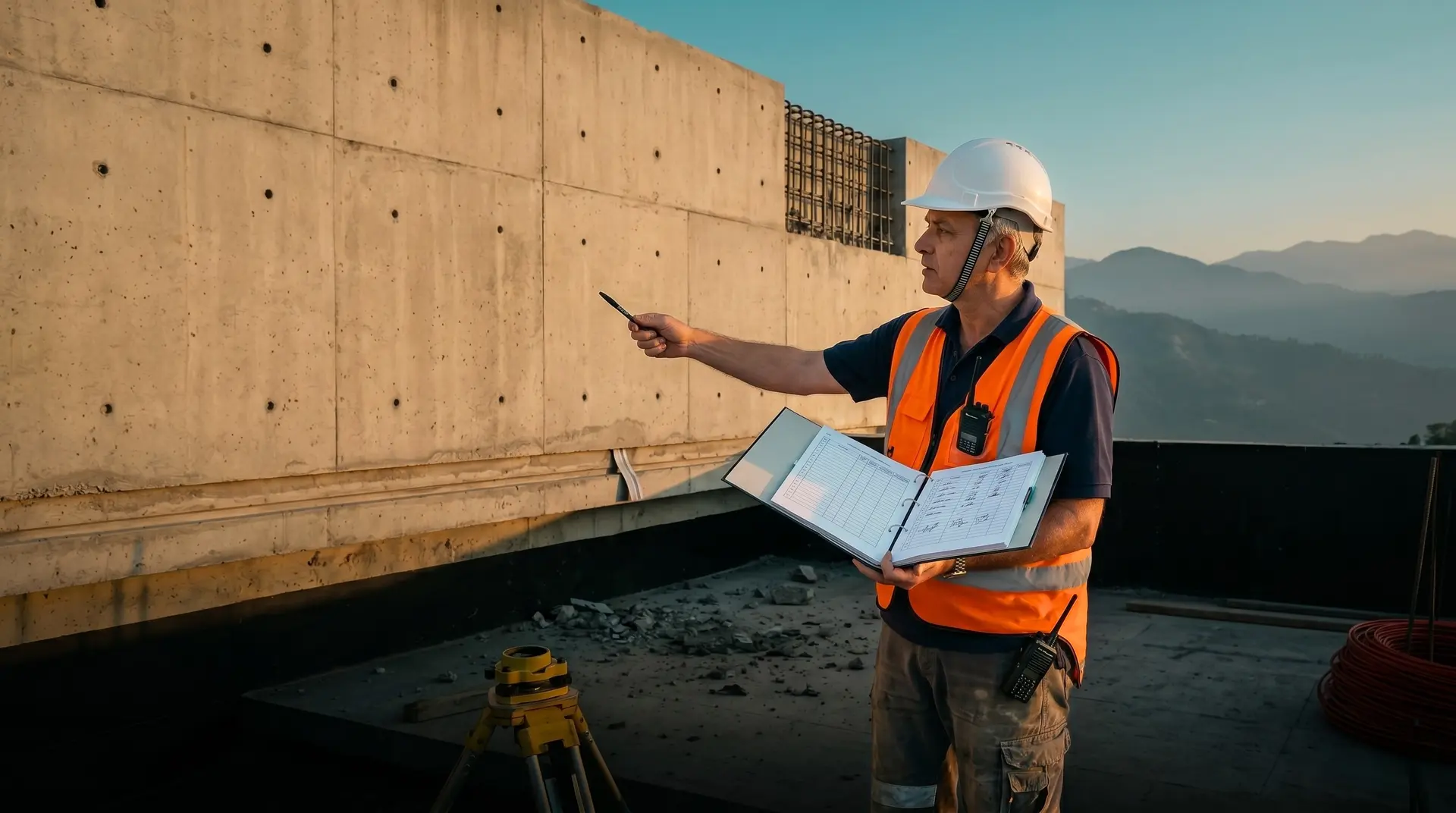
Hold and Witness Points for Dam Concrete: An 18-Point Reference for QA/QC
Hold and Witness points are where a paper QA/QC plan becomes an enforceable construction-phase mechanism. They are also the single largest source of disputes between Contractor and Owner's Engineer on hydropower dam projects. The register is not a long list. Eighteen points cover every gate a dam-concrete pour cycle realistically needs, from aggregate source acceptance through post-pour acceptance/repair/reject disposition. Anything less leaves the Engineer without enforcement leverage; anything more produces friction without protection. This brief sets out the 18-point reference register, classified to FIDIC and ISO 9001:2015 frameworks, with the verification basis, evidence required, common failure mode, and PCCI-recommended practice for each gate.
Read Article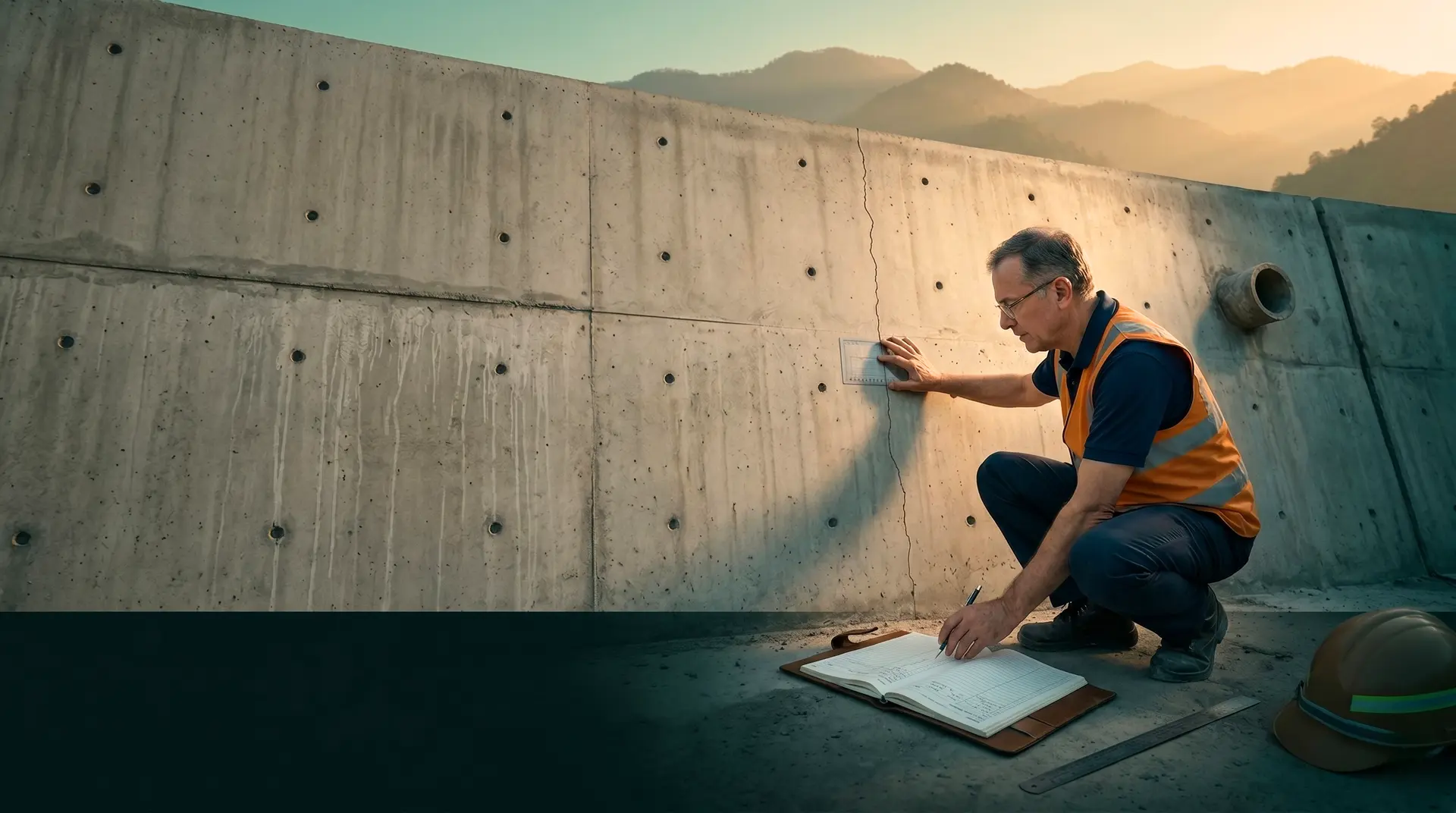
Diagnosing Concrete Cracking on a Dam Construction Site: A Field Workflow for Owner's Engineers
Every concrete dam programme produces cracks. Some are predicted by the design. Some are tolerated by the specification. Some are warnings that something is wrong. The owner's engineer's job is not to be surprised by the existence of cracks. The job is to distinguish, fast, between cracks that the structure will live with for 100 years and cracks that the structure will fail because of. This is the field workflow used to make that distinction. It runs in five steps: observe, classify, diagnose, assess severity, decide response. It takes 60 to 90 minutes for a typical crack pattern on a dam site. The decision it produces guides the next 20 to 50 years of the structure's life. The workflow is not a substitute for engineering judgment. It is a discipline that ensures the judgment is applied to the right evidence in the right order. Skipping a step is how owner's engineers miss what they were brought on site to catch.
Read ArticleNewsletter
Concrete Pulse
Stay ahead on concrete technology. Subscribe to our weekly newsletter. Field-tested insights on mass concrete, dam engineering, and QA/QC, delivered straight to your inbox.
Free. No spam. Unsubscribe anytime.
Talk to a concrete specialist within 24 hours.
Whether you're at pre-tender feasibility or mid-construction troubleshooting. Whether your project is in India, Bhutan, Nepal, or beyond.